10% Discount On orders Between now till December
DISCIPLINED ROTTWEILERS
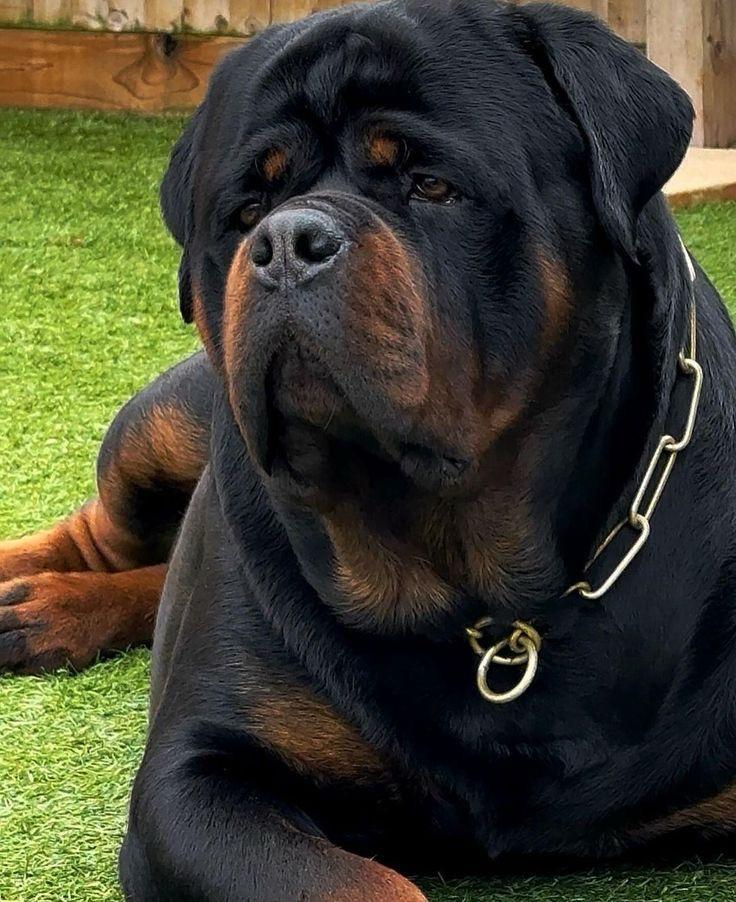
At Disciplined Rottweilers, we’re dedicated to raising and rehoming well-trained, loyal, and family-safe Rottweilers. Every dog in our care has been professionally socialized, obedience-trained, and health-checked to ensure they’re ready to become a lifelong companion.
Whether you’re looking for a devoted guardian, a gentle family pet, or a disciplined working partner, our mission is to match you with the perfect Rottweiler — one that fits your lifestyle, experience, and heart.
Work Hours
Mon - Sun / 12 am - 12pm
Place An Order
(000) 000-0000
Available Littres
Feel the different Companions
Some key stats and summary About Rottweilers
Origin: Germany (name comes from the town of Rottweil)
Type: Working / Mastiff-type breed
Size: Large
Typical height: ~ 22 to 27 inches (56 to 69 cm)
Typical weight: ~ 80 to 162 lbs (36 to 61 kg), males generally heavier than females
Life expectancy: ~ 9 to 10 years (some sources slightly lower or higher)
Coat / color: Short, dense, black with distinct tan / rust markings
Health & Lifespan Summary
Average lifespan: ~9–10 years (some older or younger depending on individual and care)
Common health issues: hip/elbow dysplasia, cancer, bloat (GDV), heart disease, ophthalmic conditions, obesity
Preventive care, regular vet checkups, responsible breeding, and conscientious management can extend quality of life
Training & Socialization
Rated 4 out of 5
Grooming & Maintenance
Rated 5 out of 5
Nutrition & Diet
Rated 4.5 out of 5
FAQs & Myths
Are Rottweilers aggressive by nature?
Not inherently. Any dog’s behavior is shaped by genetics, socialization, training, and environment. Some individual Rottweilers may exhibit aggression if poorly raised, but many are gentle, confident, and well-behaved with proper care.
Do Rottweilers take long to mature?
Yes, they are relatively slow‑maturing. They may not fully mature (physically and mentally) until 12–18 months or more.
Should their tail be docked?
Tail docking is controversial and in many places discouraged or banned for cosmetic reasons. Many modern Rottweilers keep their natural tails.
What is “Roman Rottweiler” or “Gladiator Rottweiler”?
Some breeders or marketers use those terms, often to imply a certain look (sleeker, taller, etc.). However, these are not recognized breed standards in major kennel clubs. Many in the Rottweiler community treat such labels skeptically, as marketing terms rather than distinct breed types. (This is a point you could explore or clarify further on your site.)
DISCIPLINED ROTTWEILERS
Disciplined Rottweiler puppies were just born and they’re reserving fast! Commanding Strength. Elevated Elegance. Proven Health. Trusted Temperament. Reserve your puppy now! Complete a Contact Form Questionnaire for information. Puppies ready early December 2025!
Training & Socialization
Start early: begin training and socialization as soon as possible (puppy stage).
Use positive reinforcement (treats, praise) as the primary motivator; firm consistency is important.
Enroll in obedience classes (basic commands: sit, stay, come, down, heel).
Expose to a variety of people, places, sounds, other dogs, and environments so the dog grows confident and well-adjusted.
Avoid dominance-based or harsh training—those can provoke fear or aggression.
Establish clear rules, boundaries, and leadership in a calm, consistent manner.
For specialized roles (guarding, protection, sport), seek experienced trainers familiar with Rottweilers and working breeds.